Water Damage Restoration & Emergency Water Removal

24/7 emergency response throughout Southern California MSB quickly removes water, identifies hidden moisture, protects your property and completes the repairs when reconstruction is needed.
24/7 EMERGENCY RESPONSE
Do you have water damage right now?
Take these steps while you wait for our team to arrive.
Stop the water source if it’s safe.
Avoid electrical hazards
Move valuables to a safe area
Don’t assume surfaces are dry
Call MSB for professional help
PROFESSIONAL WATER DAMAGE SERVICES
More Than Just Removing Water
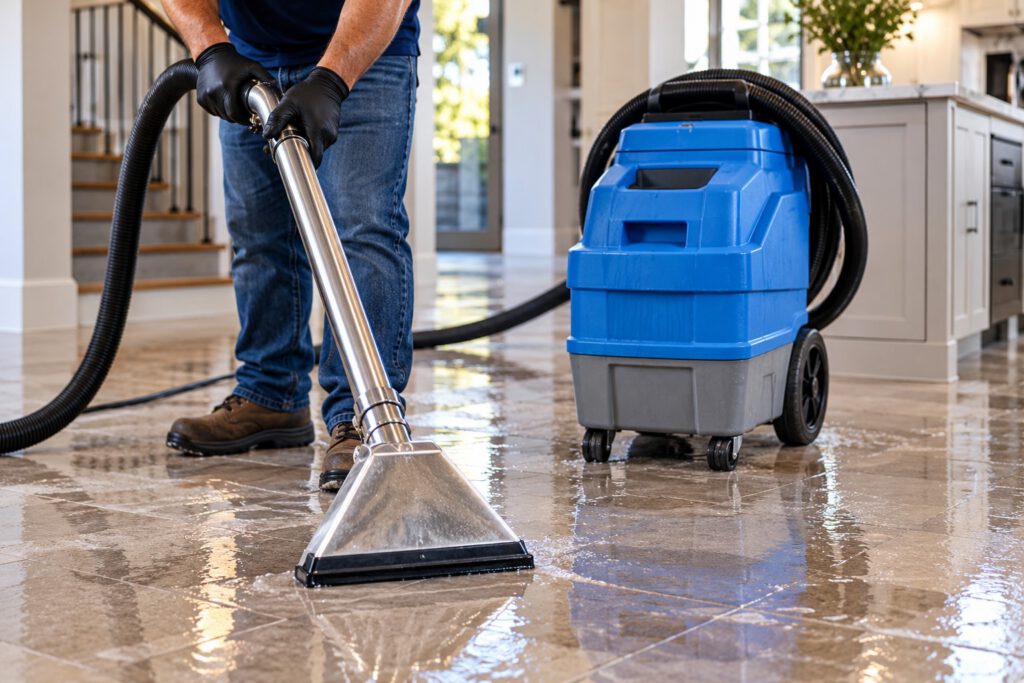
Water damage restoration involves much more than removing visible water. We locate the source, extract water, identify hidden moisture, dry affected materials, clean and sanitize when needed and complete repairs and reconstruction.
Common Causes of Water Damage We Handle
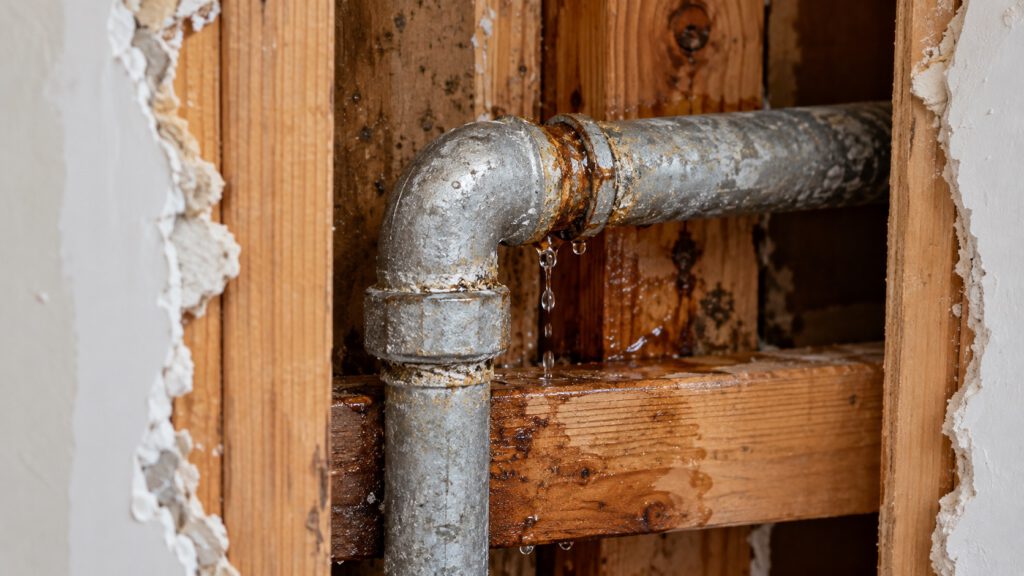
Burst or Leaking Pipes
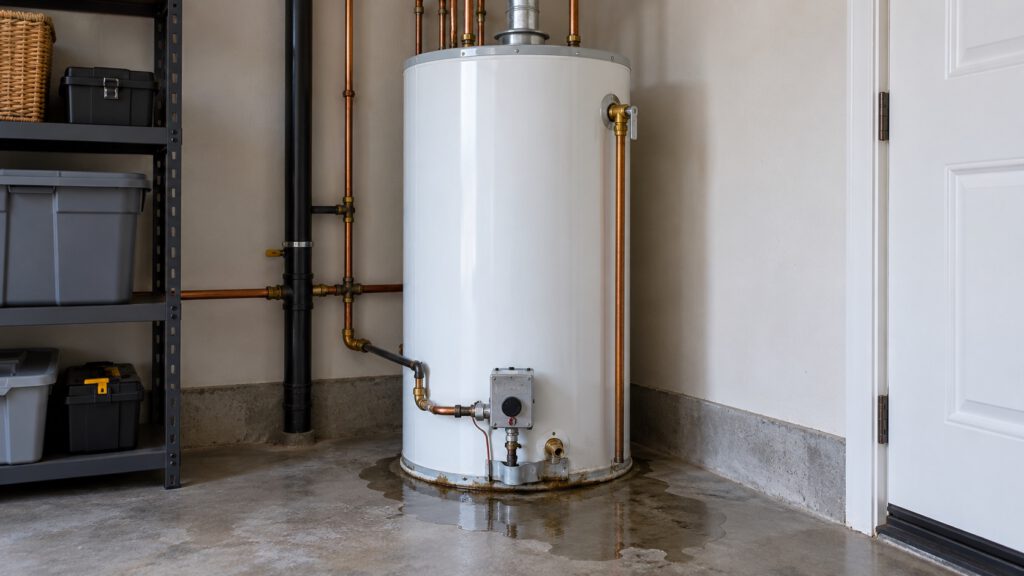
Water Heater Failures
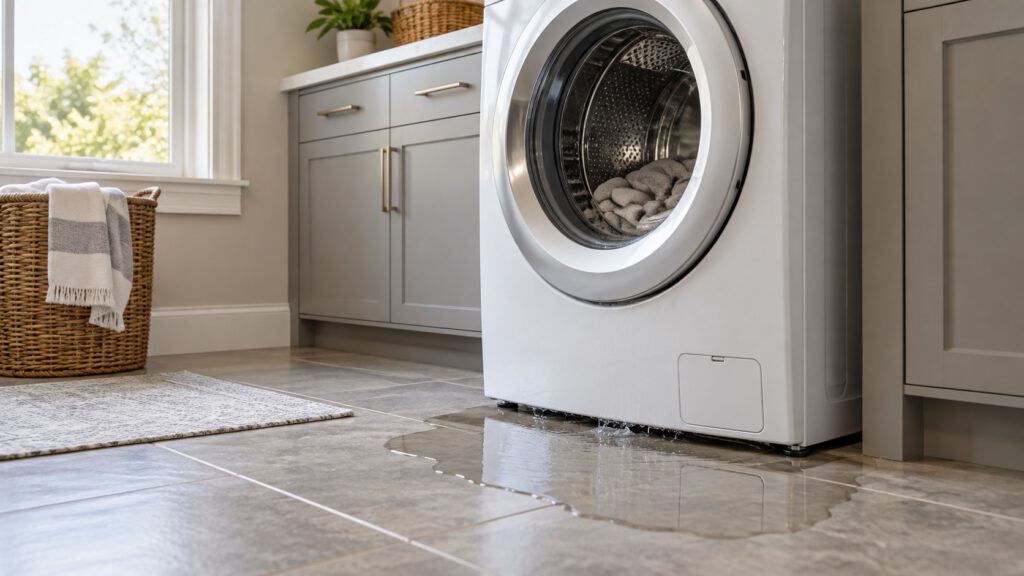
Appliances Leaks
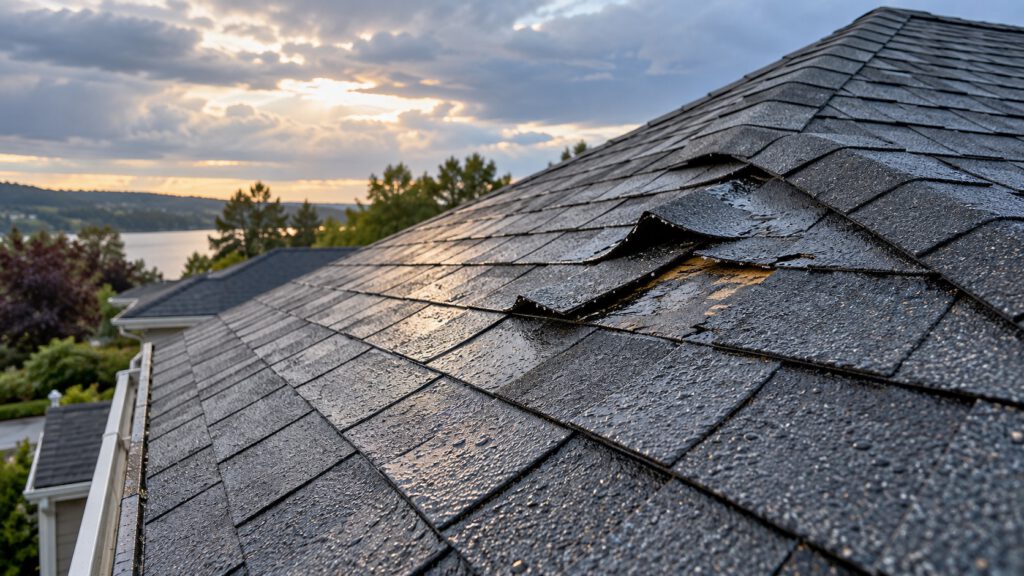
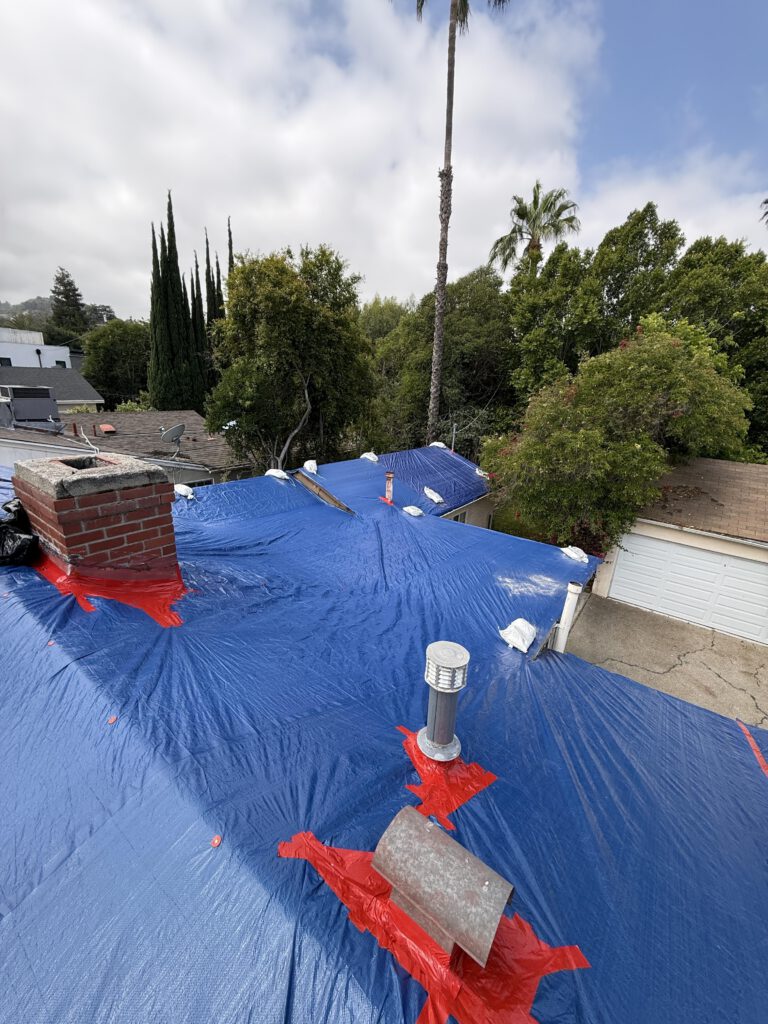
Roof and Storm Leaks
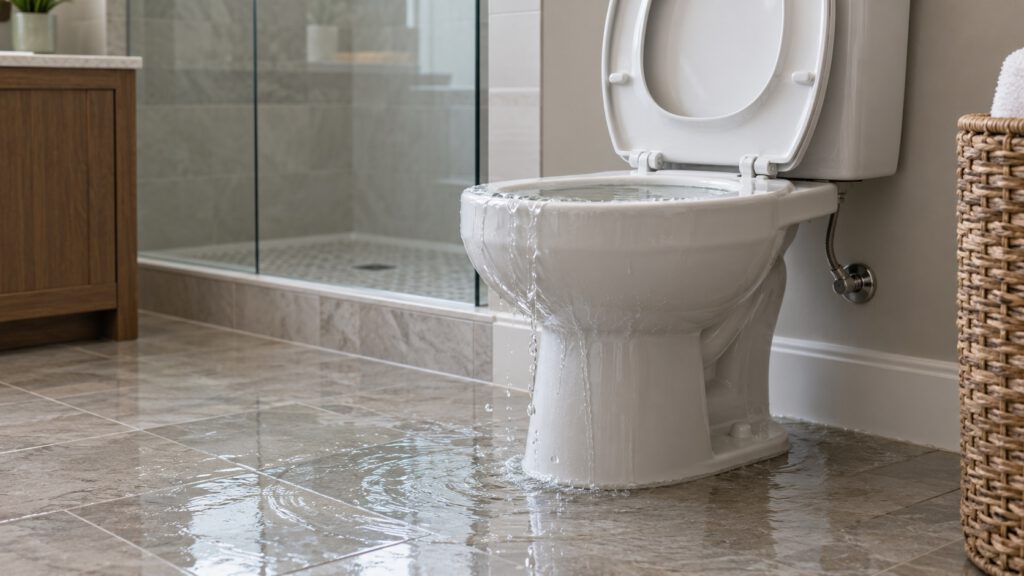
Toilet and Plumbing Overflows and Leaks
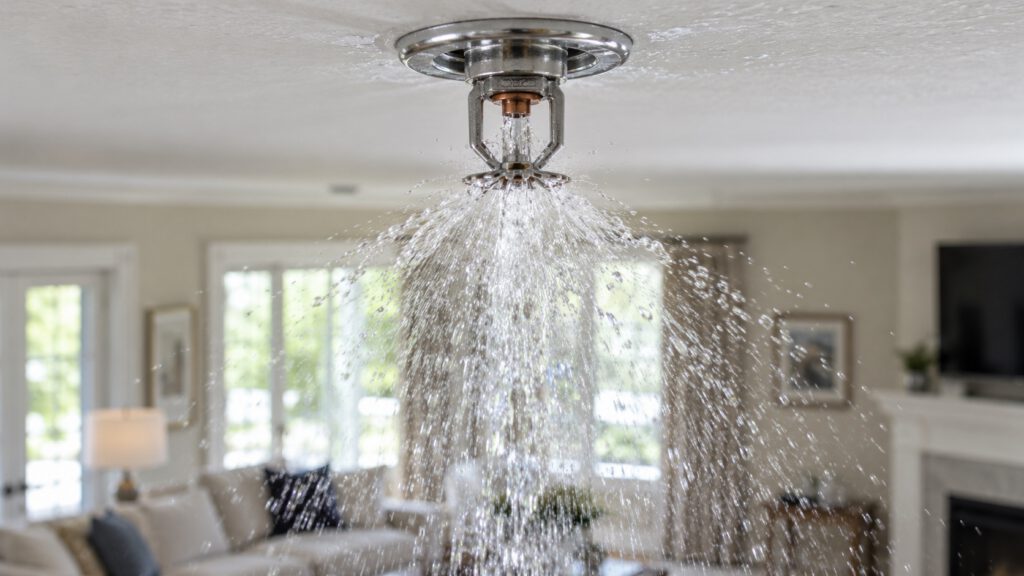
Fire Sprinkler Accidental Discharge
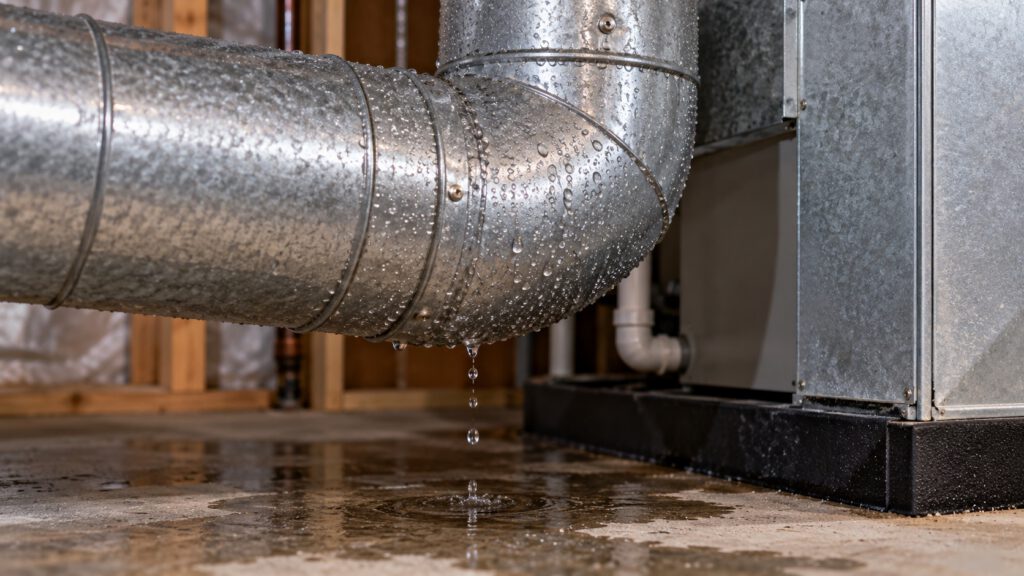
HVAC / Condensation Leaks
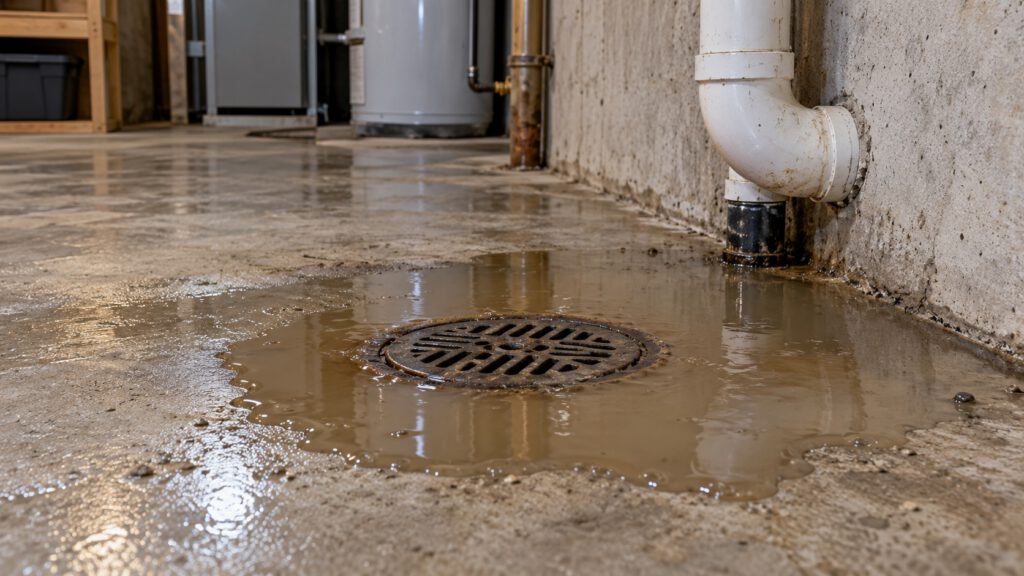
Sewage Backups
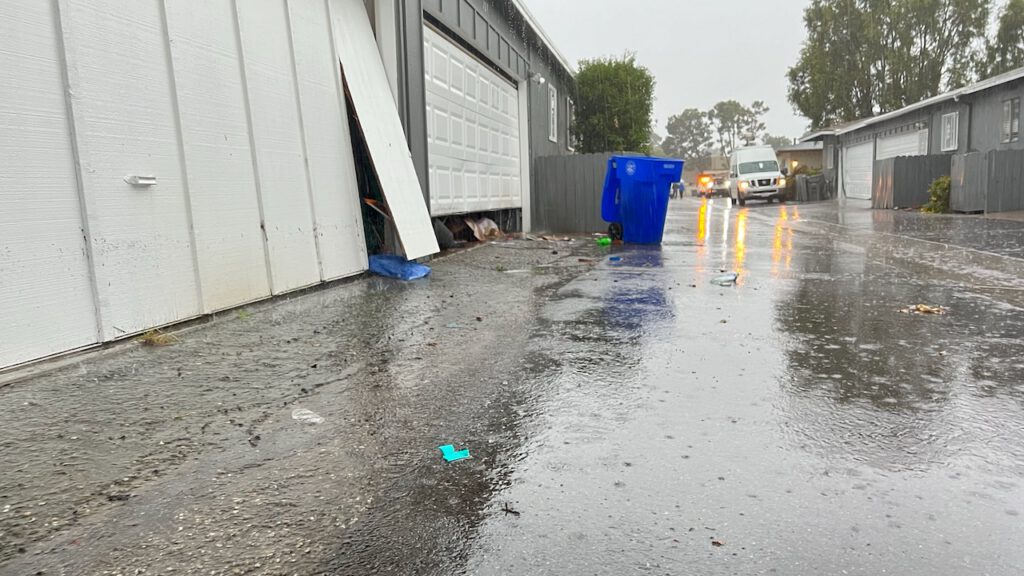
Flooding and Stormwater Intrusion
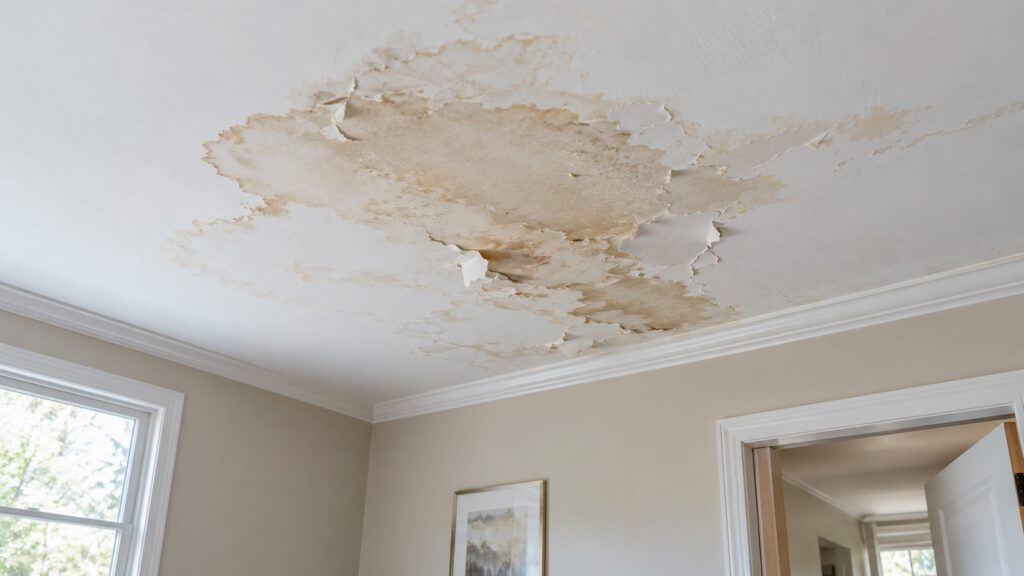
Roof or upper floor water leak
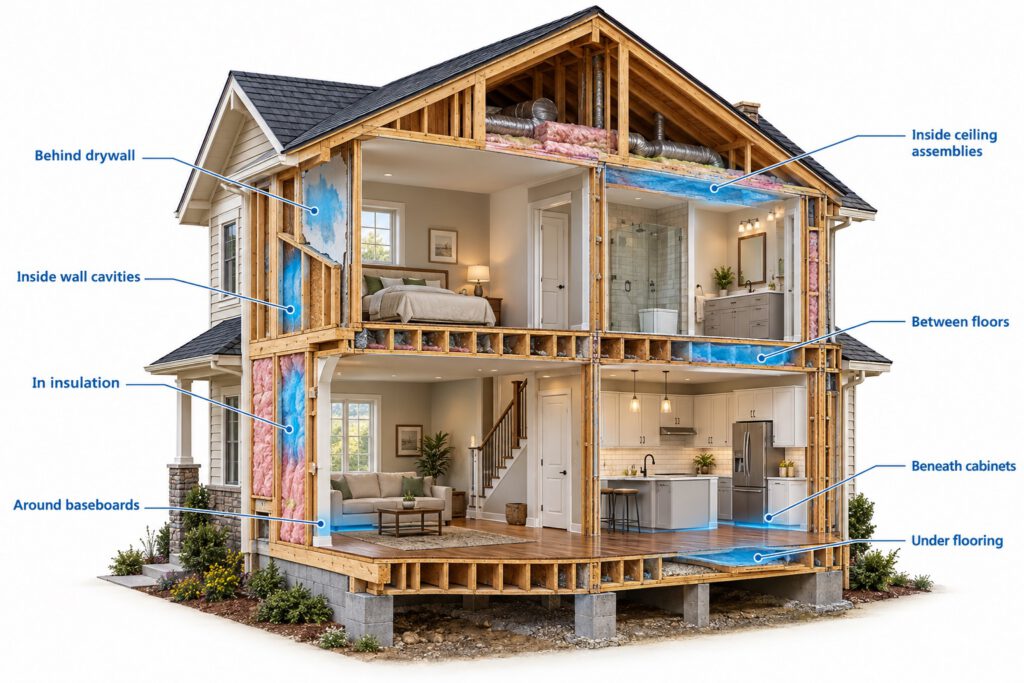
HIDDEN MOISTURE
Water you can’t see isn’t always the biggest problem
Water can travel behind walls under flooring and inside building materials. We use advanced moisture detection equipment to find hidden moisture and ensure your property is properly dried.
Our Proven Water Damage Restoration Process
1
Emergency Response & Assessment
Determine the source, scope and safety concerns.
2
Water Extraction
Remove Free Standing water as quickly as possible
3
Moisture Detection
Find hidden moisture with professional equipment
4
Controlled Drying
Use specialized equipment based on the materials and conditions
5
Monitoring & Documentation
Track drying progress and document moisture levels
6
Repairs & Reconstruction
Repair and Rebuild when needed
PROFESSIONAL EQUIPMENT
Equipment We Use – and What It Does
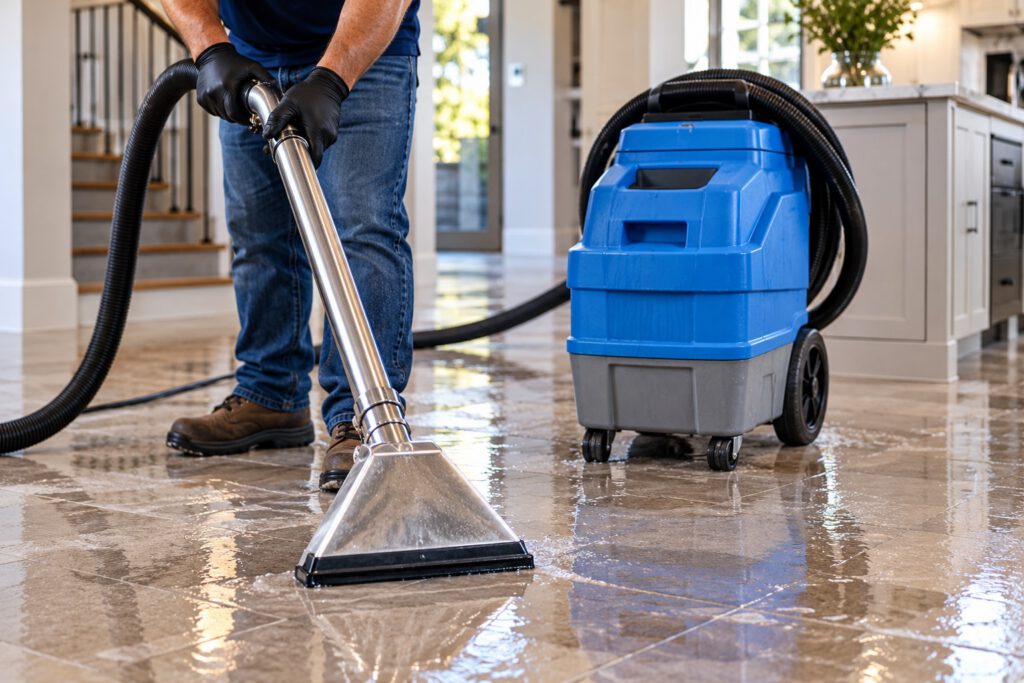
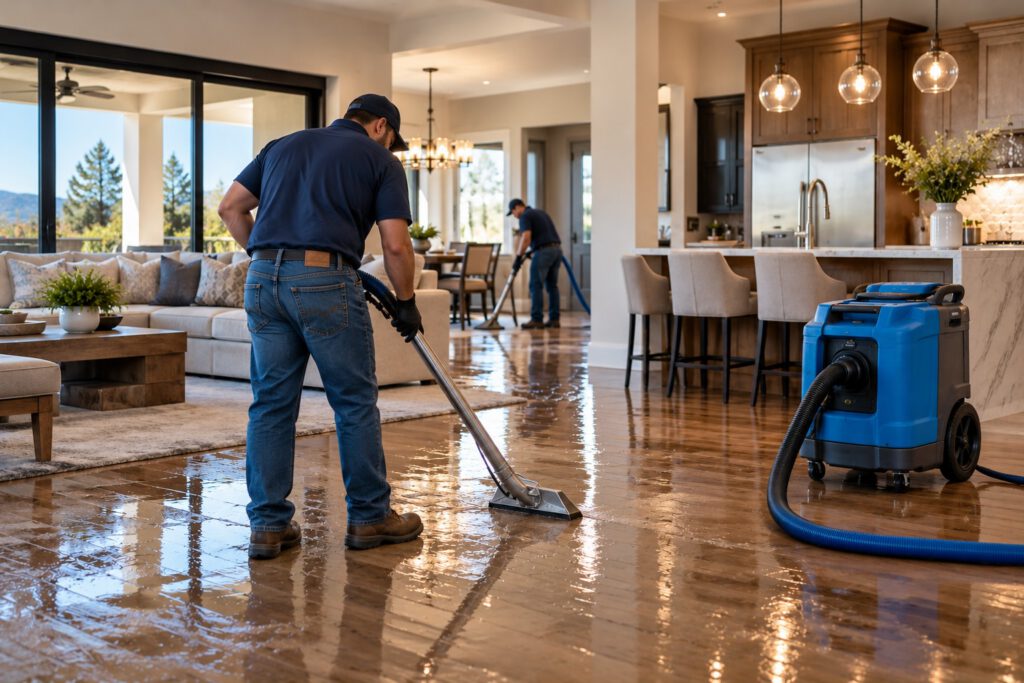
Commercial Water Extractors
Remove standing water from flooring and surfaces
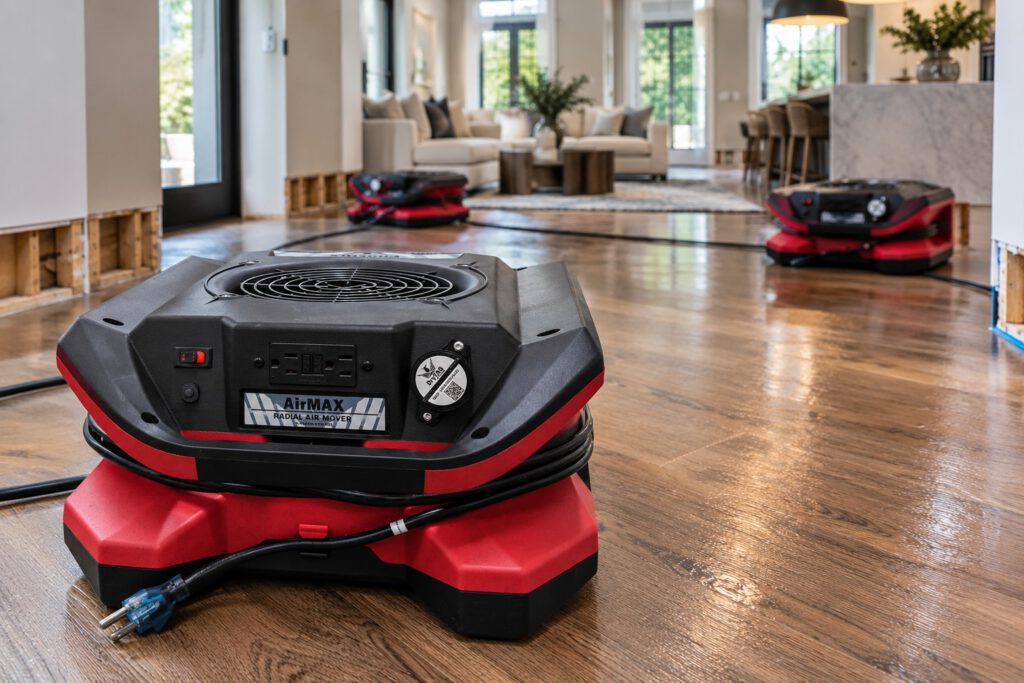
Air Movers
Increase airflow to speed evaporation
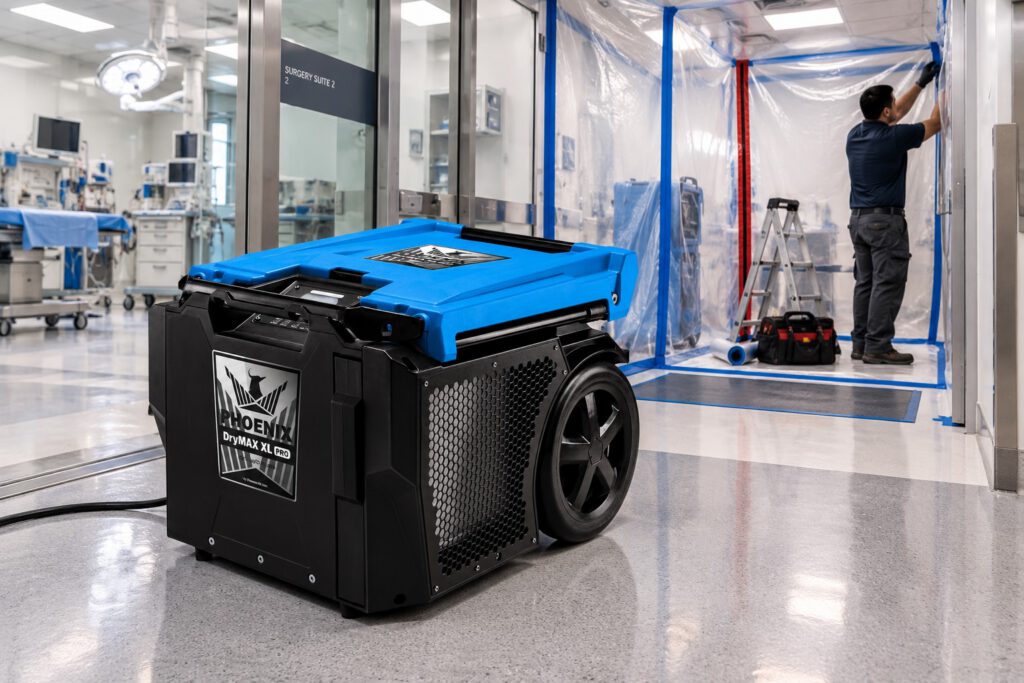
Commercial Dehumidifiers
Remove moisture from the air so materials continue drying
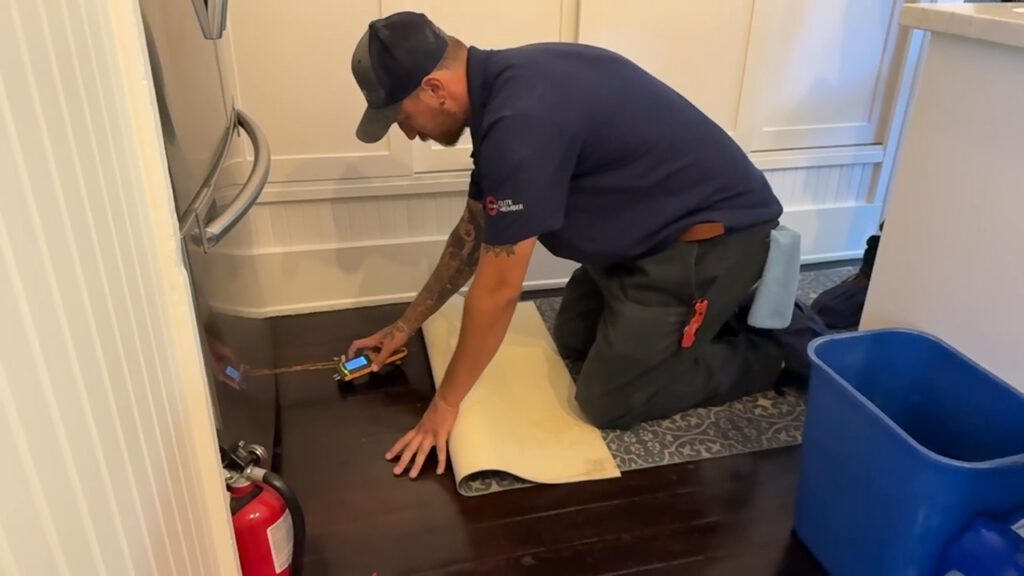
Moisture Detection
Identify and monitor moisture that may not be visible
WATER DAMAGE AND MOLD
Why Fast Drying Matters
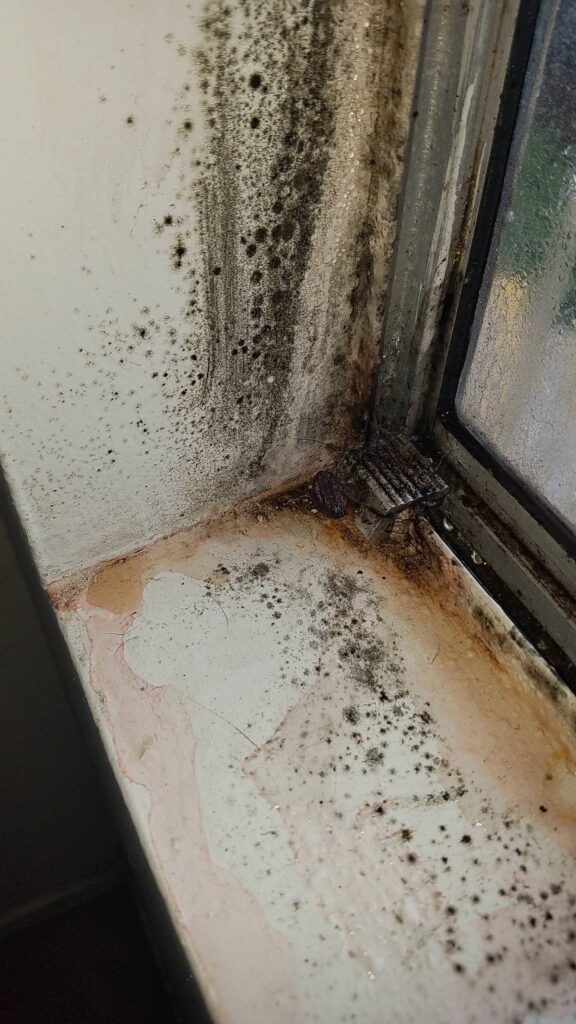
Moisture left in building materials can lead to mold growth, structural damage, odors and more. Professional drying helps prevent bigger problems down the road.
- Mold Growth
- Swelling and Deterioration
- Flooring and drywall damage
- Odors
- Corrosion
- Hidden damage
Property Types
Different Properties Require Different Solutions
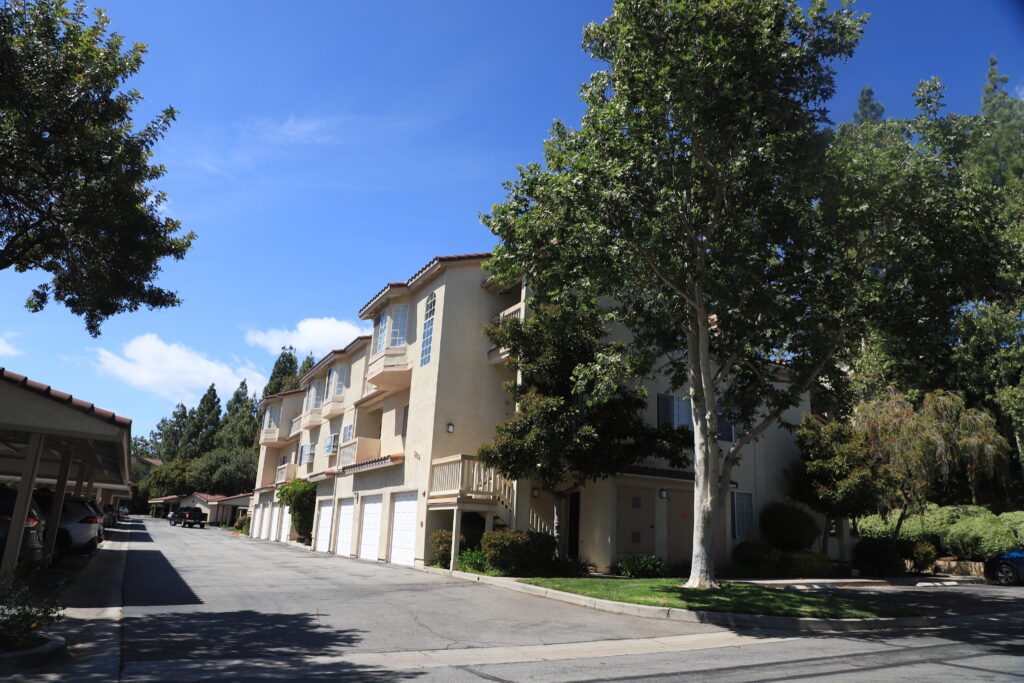
HOAs & Multi-Family Communities
Coordination with managers, boards, residents and multiple units.
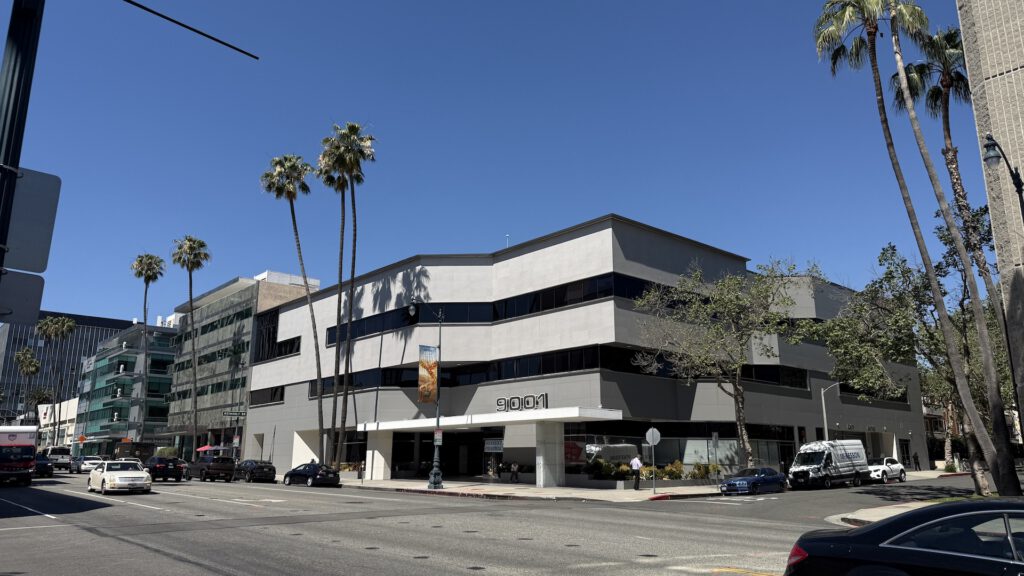
Commercial Properties
Reducing business interruption and keeping operations running.
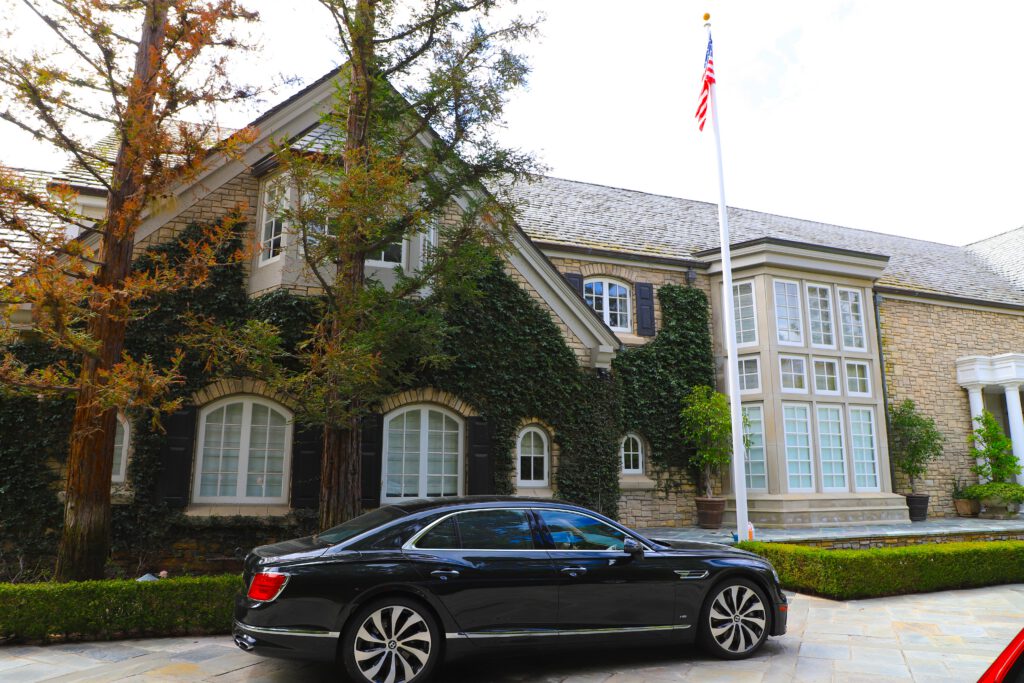
Luxury & Private Client Properties
Protecting high-value finishes, contents, material and privacy.
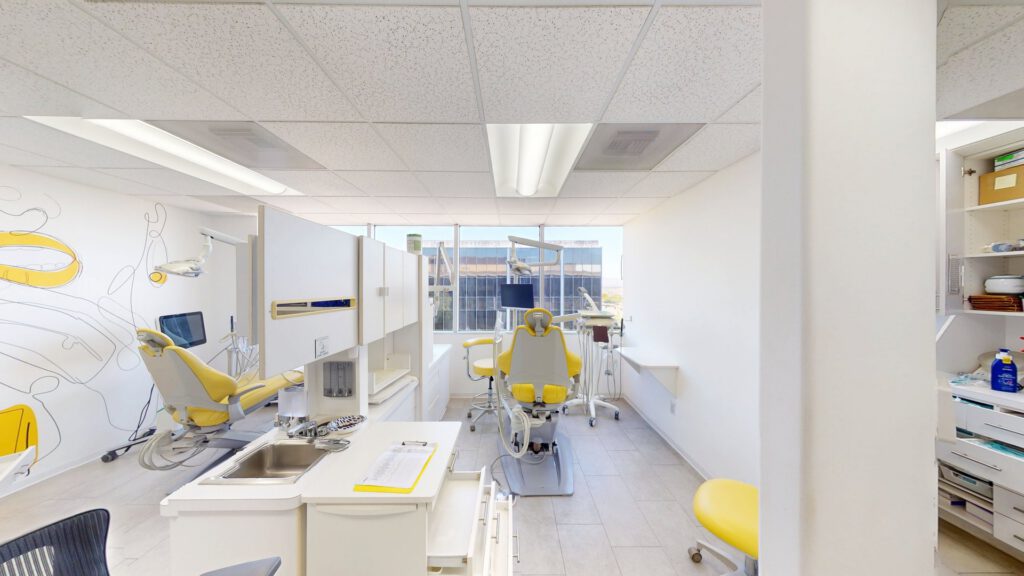
Medical Facilities
Cleaning and maintaining sterile conditions after water damages.
MINIMIZING DISRUPTION
Keep Life Moving
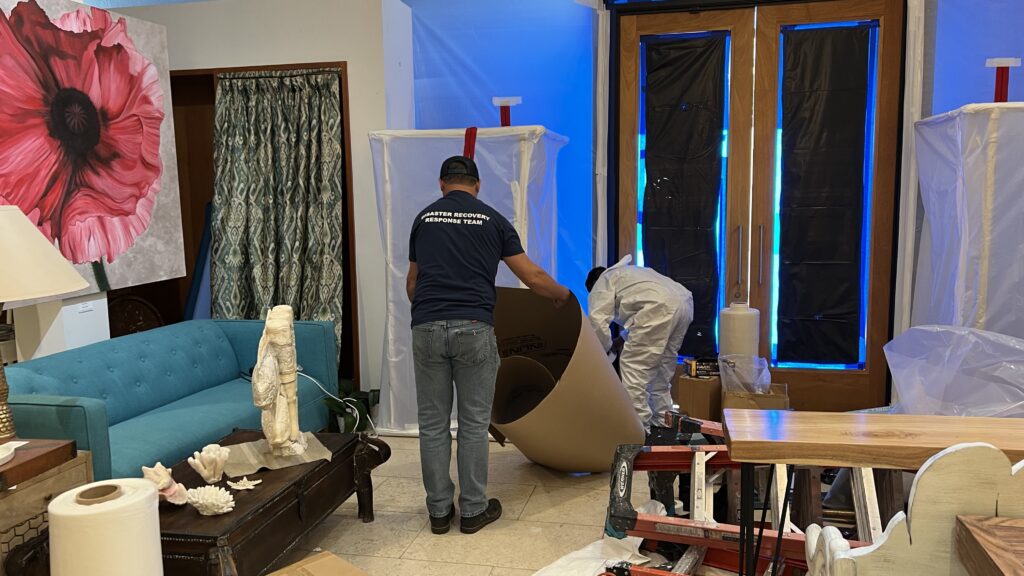
Our goal isn’t just to dry the building – it’s to keep life moving. Sometimes this takes some creative thinking to make this happen. We isolate affected areas, work around occupants when practical, keep unaffected spaces operational and communicate throughout the project.
Minimizing your disruption and keeping your home or business running as smoothly as possible is a high priority for us. Unfortunately, disruption just can’t be avoided entirely.
FROM MITIGATION TO RECONSTRUCTION
A Complete Solution…
From Start to Finish
MS8 can handle the entire project – from emergency water removal and drying through repairs and full reconstruction – or just the specific services you need.
Emergency
Response
Water
Extraction
Drying &
Monitoring
Repairs &
Construction
PROJECT CASE STUDY
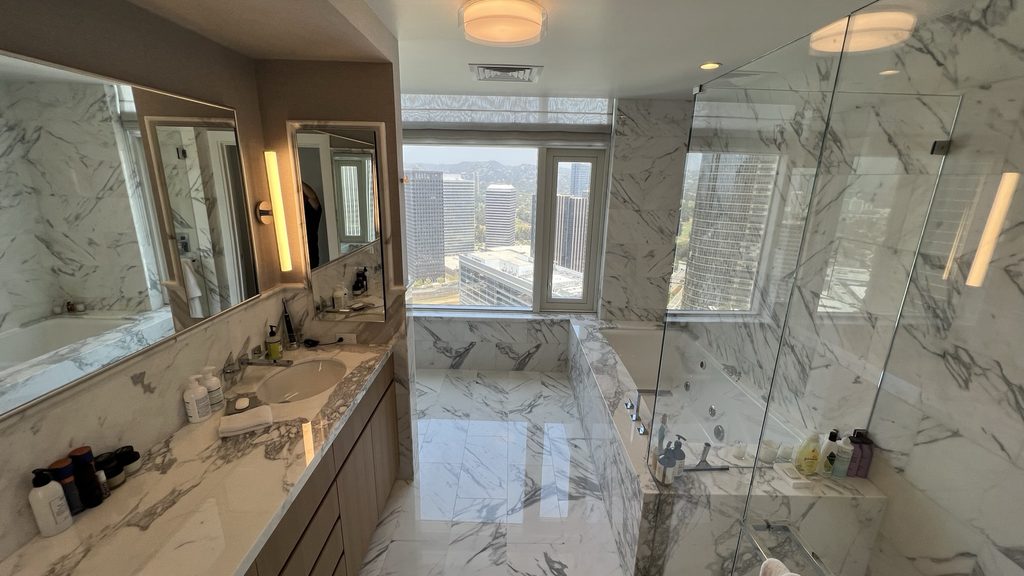
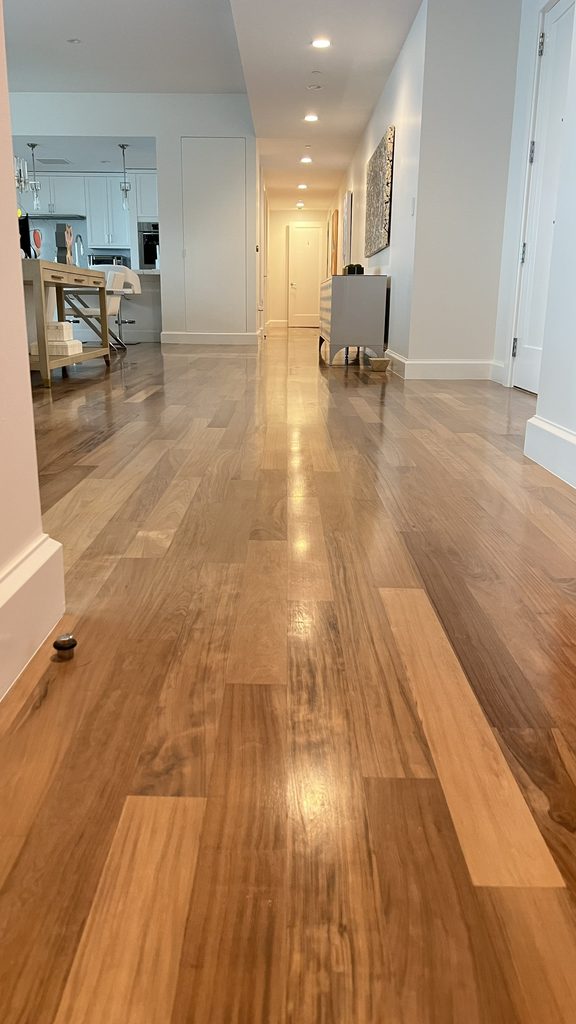
Water Loss at Century City
Hi-Rise Condos
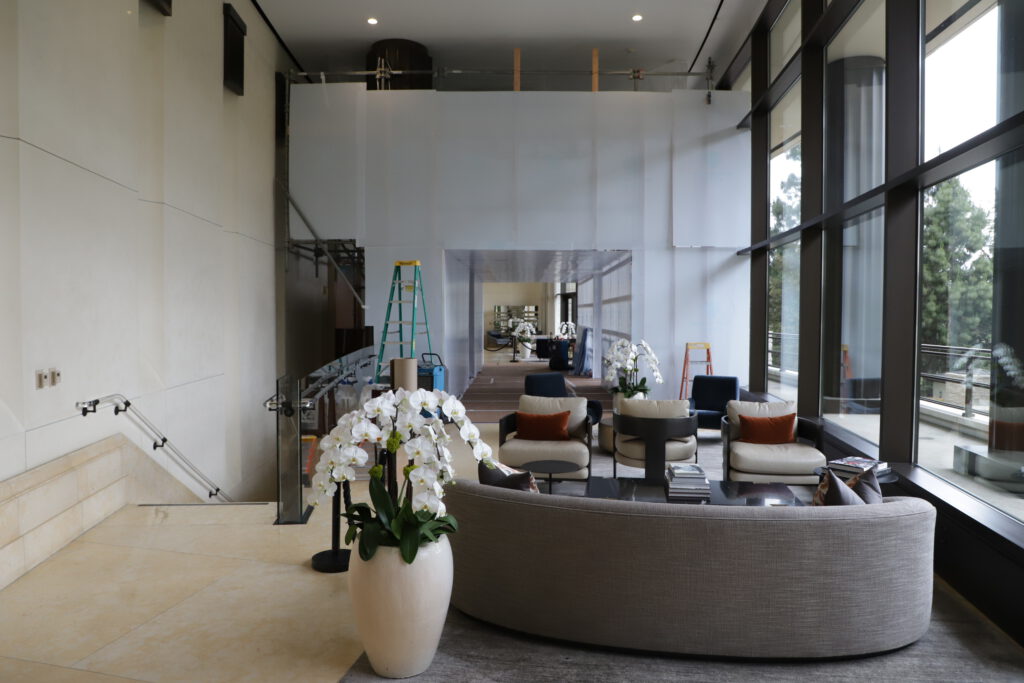
A plumbing failure that started 9 floors above flooded numerous luxury condos and down to the main floor lobby. MSB, who has been providing services to this building for 10 years, was called out for emergency response.
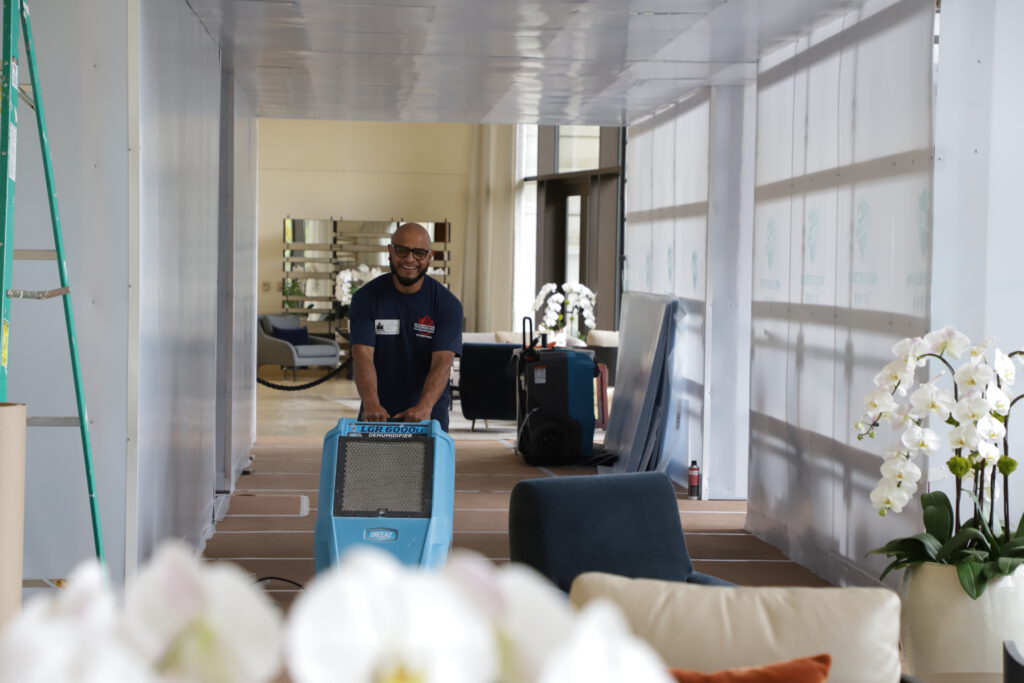
It was imperative that we map the moisture, extract the water, assemble isolation containment barriers, dry the areas as quickly as possible. We arrived within hours in the middle of the night to get started on our emergency response.
MSB coordinated with several of the building’s private clients, insurance adjusters, building management, and numerous trade subcontractors. We were able to execute a smooth, efficient and quick restoration and repairs that surprised many in the building.

WHY CHOOSE MSB
Trusted Expertise. Proven Results.
Property owners, community managers and insurance professionals choose MSB for our responsive service, industry expertise and ability to handle complex projects from start to finish.
Emergency Response
24 Hours / 7 Days
Ownership:
Employee-Owned
Professional Credentials:
IICRC Certified
Insurance:
Fully Insured & Bonded
Employees:
Background-Checked
Full Service:
Restoration, Contents, Construction
Network:
CORE Elite Partner
Service Area:
Southern California
Real Stories. Real Results. Real People.
See what our customers are saying about their experience.
“It’s an adventure that I won’t forget.
Thanks to MSB professionals, a five-year nightmare, due to HOA issues, turned into a wonderful success and a beautiful home.”
M
Marie-Noelle Hervé-Bart
Verified Customer
Excerpts: “5 stars simply are not enough—I would give 1,000 if I could.” “Before experiencing a disaster firsthand in my dental office I, never realized how overwhelming, chaotic, and emotionally devastating it could be. I felt completely hopeless and as though I had lost everything. Then Regina stepped in.”

Cat Guerrero
Verified Customer
Excerpts:”MSB has truly become my trusted contractor for my commercial property. After a fire loss to my commercial property in 2018, they came to the rescue and completely restored my building. The thing that sets them apart is their commitment to going the extra mile. They are so much more than just a contractor.”

SgtPepprz
Verified Customer
Read more reviews on Google
Areas We Serve
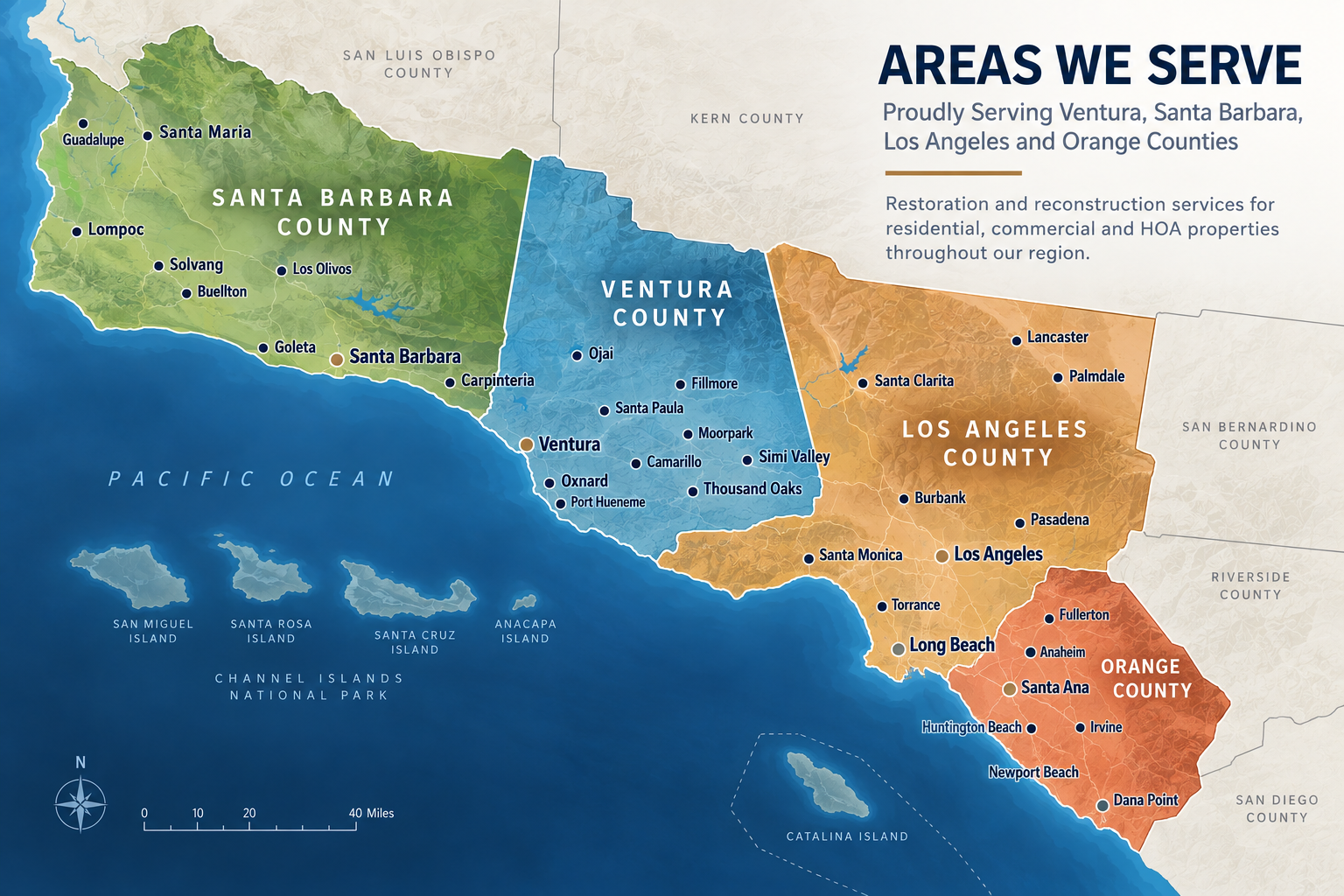
We proudly serve Los Angeles, Ventura, Santa Barbara and Orange counties.
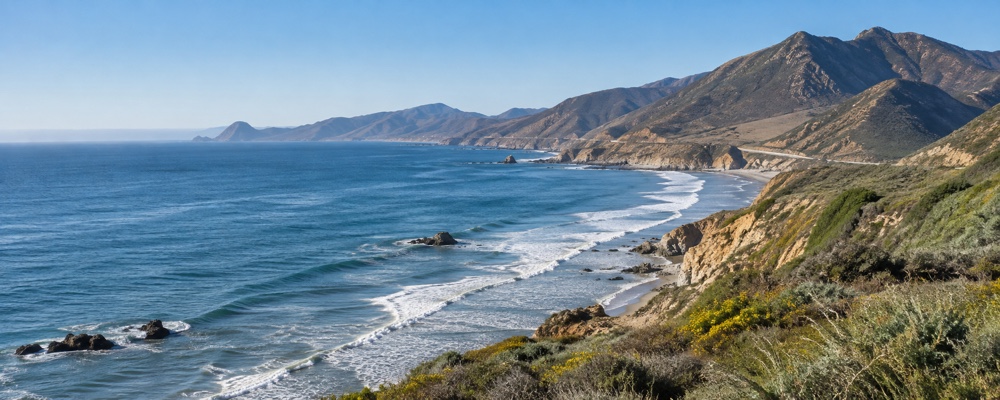
Ventura County
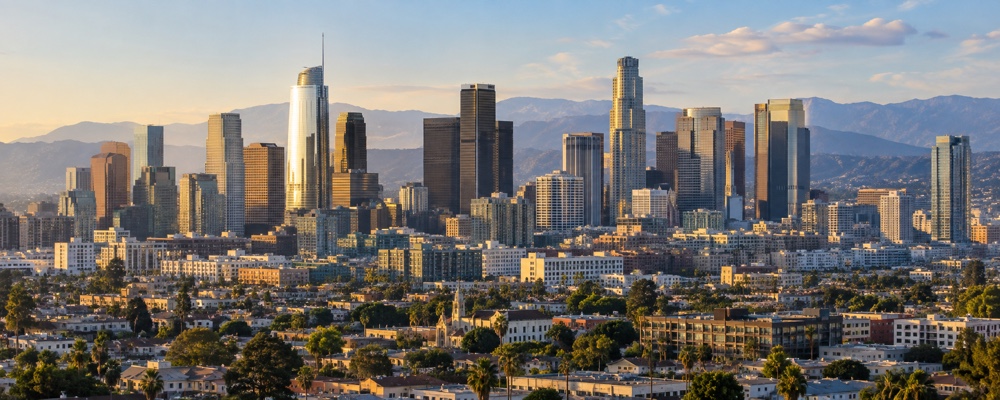
Los Angeles County
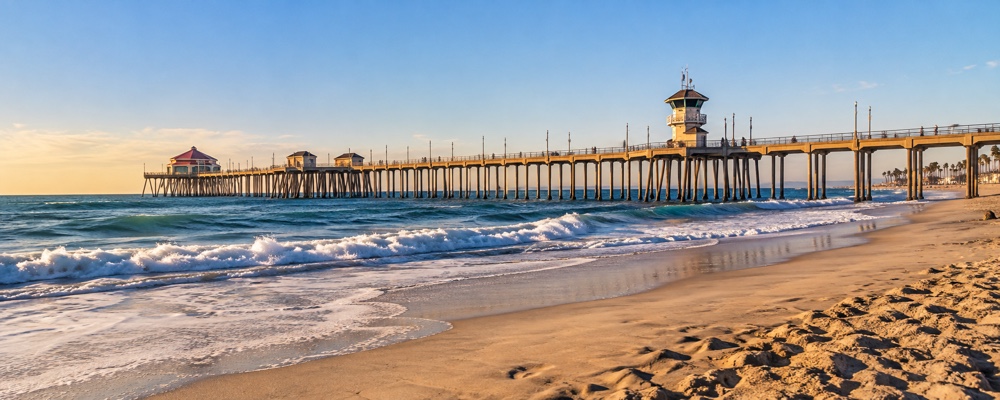
Orange County
Santa Barbara County
FREQUENTLY ASKED QUESTIONS
Water Damage Questions – Answered
Get answers to common questions about water damage restoration, the process, insurance and more.
Water damage should be addressed as soon as it is safe to do so. Water rarely stays exactly where it first appears – it can move beneath flooring, behind baseboards, into wall cavities, under cabinets, and through ceilings into rooms or units below. The EPA recommends drying water-damaged materials within 24 to 48 hours when possible to help prevent mold growth.
At MSB, the first priority is to control the immediate damage, remove standing water, identify affected areas, and begin the drying process. This can be particularly important following Southern California winter storms and atmospheric-river events, when roof leaks, surface-water intrusion, and multiple simultaneous water losses can occur across a community. Properties near recent wildfire burn scars can also face unusually rapid runoff during heavy rain.
Visible staining, bubbling paint, swollen baseboards, soft drywall, or a musty odor can indicate moisture inside a wall – but sometimes there are no obvious signs at all. Water can travel inside wall cavities or enter from plumbing, roofing, an adjoining room, or an upper floor.
Professional restoration companies use moisture-detection equipment to investigate beyond what can be seen on the surface. Moisture meters can measure or monitor moisture in materials including drywall, wood, concrete, and carpeting and can also be used to follow drying progress.
That is why MSB does not base the scope of a water loss only on the visible puddle or stain. Identifying where the moisture traveled is an important part of determining what needs to be dried, opened, removed, or monitored.
Not every piece of wet drywall automatically needs to be removed. The right approach depends on how wet it became, how long it has remained wet, whether it has swollen or deteriorated, what is behind it, and—very importantly—the source of the water.
EPA guidance notes that drywall may sometimes be dried in place when there is no obvious swelling and the seams remain intact. By contrast, drywall and insulation contaminated by sewage or floodwater generally need to be removed rather than simply dried.
MSB’s goal is not unnecessary demolition. The goal is to determine what can reasonably be dried and saved while providing access to materials that cannot be adequately dried in place. In Southern California, another consideration can arise when older building materials must be disturbed: applicable asbestos survey and handling requirements may need to be addressed before renovation or demolition work proceeds. South Coast AQMD Rule 1403 contains specific requirements for renovation activities within its jurisdiction.
There is no single drying time that applies to every water loss. Drying time depends on the amount of water, the materials affected, how long they were wet, indoor temperature and humidity, and how far moisture has traveled into the building.
At MSB, drying is monitored throughout the process rather than based on a fixed number of days. Our team returns regularly to take moisture readings, check the drying equipment, evaluate progress, and make adjustments when conditions call for them. We document those readings so there is a clear record of how the affected materials are responding over time.
That ongoing monitoring helps us know when drying is progressing properly and when equipment can be adjusted or removed.
Water mitigation is primarily about limiting additional damage. It can include identifying or stopping the source when appropriate, extracting standing water, identifying affected materials, removing materials that cannot be saved, setting drying equipment, controlling humidity, and monitoring the drying process.
Water damage restoration is the larger process of returning the damaged property to usable condition. Depending on the loss, that can continue into drywall, flooring, paint, cabinetry, finish work, and other reconstruction.
This is one of MSB’s advantages: the project does not necessarily have to change hands once the drying equipment is removed. Because MSB performs both property restoration and reconstruction, we can continue from the emergency mitigation phase through the repairs when needed.
That also reduces one of the common frustrations following a loss – having one contractor perform mitigation, another perform demolition, and yet another come in later to rebuild, with the property owner or manager left coordinating everyone.
Sometimes you can. Whether occupants can remain in the property depends on the source and extent of the water damage, electrical or structural hazards, contamination, areas being opened or removed, the amount of equipment required, and whether affected portions of the property can be safely isolated.
This is especially relevant to MSB’s HOA and multi-family work. A water loss in one unit can involve neighboring units, common areas, a community manager, residents, plumbers, insurance representatives, and repair trades. Whenever practical, MSB works to isolate the affected work area, maintain access to unaffected areas, coordinate schedules, and reduce unnecessary occupant disruption.
For significant flooding, sewage contamination, extensive mold conditions, or unsafe electrical or structural conditions, temporary relocation may be necessary. Federal cleanup guidance emphasizes addressing standing water, electrical and physical hazards, contamination, and safe separation of affected areas before normal occupancy resumes.
It depends primarily on what caused the water damage and what the individual policy covers.
The California Department of Insurance says homeowners policies generally cover certain types of sudden and accidental water damage, while flood, long-term seepage or leakage, wear and tear, and some other causes are generally excluded. Flood insurance is typically purchased separately. The actual policy language and circumstances of the loss determine coverage.
MSB does not determine whether a loss is covered—that decision belongs to the insurance carrier. What we can do is help document the affected areas and restoration work and coordinate with the property owner, community manager, adjuster, plumber, and other parties involved in moving the project forward.
That distinction is important: restoration decisions need to address the physical damage, while insurance decisions address what the policy will pay for.
Professional water mitigation usually involves several types of equipment working together. Water-extraction equipment removes standing or trapped water, air movers increase airflow across wet materials, and commercial dehumidifiers remove moisture from the air so the drying process can continue efficiently.
MSB also uses moisture-detection equipment to identify affected materials and track drying progress. We return during the drying process to record moisture readings, inspect and care for the equipment, and make changes to the setup when necessary. The goal is not simply to leave equipment running, but to actively manage the drying process and document the results.
If water is actively damaging the property, the immediate priority is to protect people and limit additional damage. If it can be done safely, stop the source of the water and contact a qualified restoration company so extraction and drying can begin.
You should also notify your insurance carrier promptly and follow the reporting requirements in your policy. MSB helps by documenting the loss and restoration process thoroughly with photographs, videos, moisture-reading logs, equipment records, and detailed project documentation.
That documentation gives the property owner, community manager, and insurance adjuster a much clearer record of what happened, what was affected, what work was performed, and why it was necessary. When a loss is covered by the policy, thorough documentation can help reduce uncertainty and support a smoother claims process.
Water damage restoration is not just about drying the building. It is also about creating a clear record of the loss and the work performed.
MSB documents the restoration process with moisture-reading logs, photographs, video, equipment monitoring, and detailed project records. Our team returns throughout the drying process to measure progress, inspect equipment, and make adjustments when needed.
That level of documentation helps property owners, community managers, and insurance professionals understand the extent of the damage, the steps taken to address it, and the progress of the restoration. It also helps reduce unanswered questions and disputes when a covered claim is being evaluated.
Yes. Mold needs moisture to grow, which is why finding and controlling moisture is such an important part of water-damage restoration.
This is worth emphasizing in Southern California because our generally dry climate can create a false sense of security. Indoor mold does not require rainy weather outside. A plumbing leak, appliance failure, roof leak, overflowing fixture, or hidden moisture inside a wall can provide the moisture mold needs regardless of how dry it is outdoors. EPA guidance identifies moisture control as the key to preventing indoor mold growth and recommends drying wet materials within 24 to 48 hours when possible.
Water Damage? We’re Available 24/7
The sooner excess water and hidden moisture are identified, the sooner the drying process can begin. MSB’s emergency restoratoin teams are available around the clock.
24/7 EMERGENCY RESPONSE